

How to Care for Original Artwork and Fine Art Prints: A Collector’s Guide to Timeless Beauty
Original artwork and fine art prints hold stories that deserve to last beyond a lifetime. Yet many collectors face the quiet frustration of fading colors or damaged canvases despite their best efforts. Knowing how to care for paintings and prints is the key to preserving their timeless beauty. In this guide, you’ll find expert tips on archival framing, art lighting best practices, and safe handling to keep your collection radiant for generations. For more tips, you can visit this guide on preserving artwork.
Artwork Display and Framing
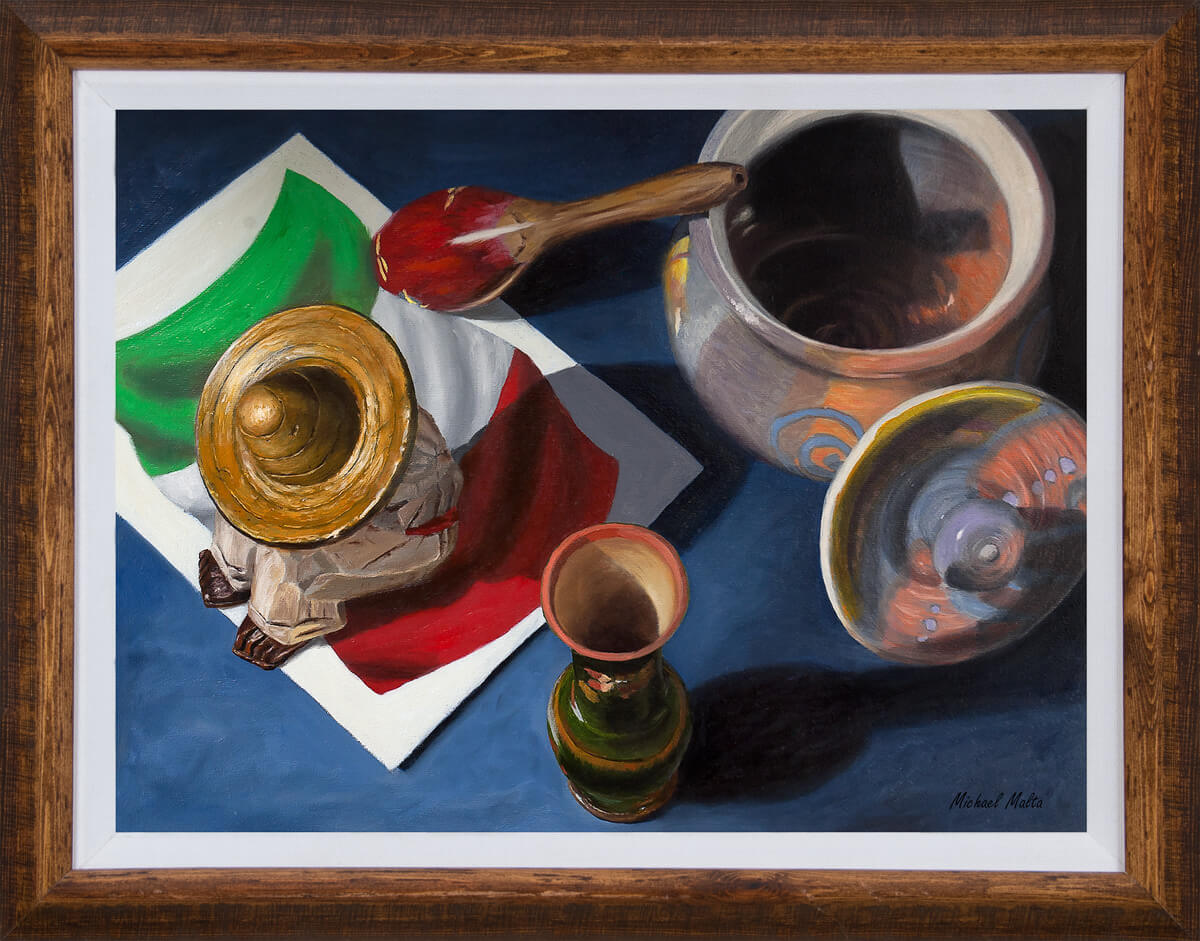
Displaying your art properly is the first step in maintaining its beauty. With the right framing techniques, your collection can stand the test of time.
Archival Framing Techniques
Archival framing is essential for preserving both paintings and prints. By using materials that do not degrade over time, you protect your artwork from decay. Start with a quality frame that complements the art and provides structural support. Next, incorporate a backing board made of archival materials that will not leach harmful acids into the artwork. Finally, using spacers ensures the art does not come into direct contact with the glass, avoiding moisture issues.
UV-Protective Glazing Benefits
Glazing with UV protection is crucial for safeguarding your art from sunlight. Exposure to UV rays can cause colors to fade and materials to weaken. By choosing UV-protective glass or acrylic, you can extend the life of your art. This protective layer acts like sunscreen for your collection, preserving the vibrancy of colors and the integrity of the materials. While it might be a slight investment, the benefits of maintaining your artwork’s brilliance are worth it.
Choosing Acid-Free Materials
Acid-free materials are a non-negotiable for any serious art collector. Acidic materials can cause yellowing and deterioration over time. When selecting mats, backing boards, and tapes, ensure they are labeled acid-free. This small step can make a huge difference in the longevity of your art. For instance, using acid-free matting prevents the edges of your print or painting from developing a yellow tinge that signifies damage.
Lighting and Environment
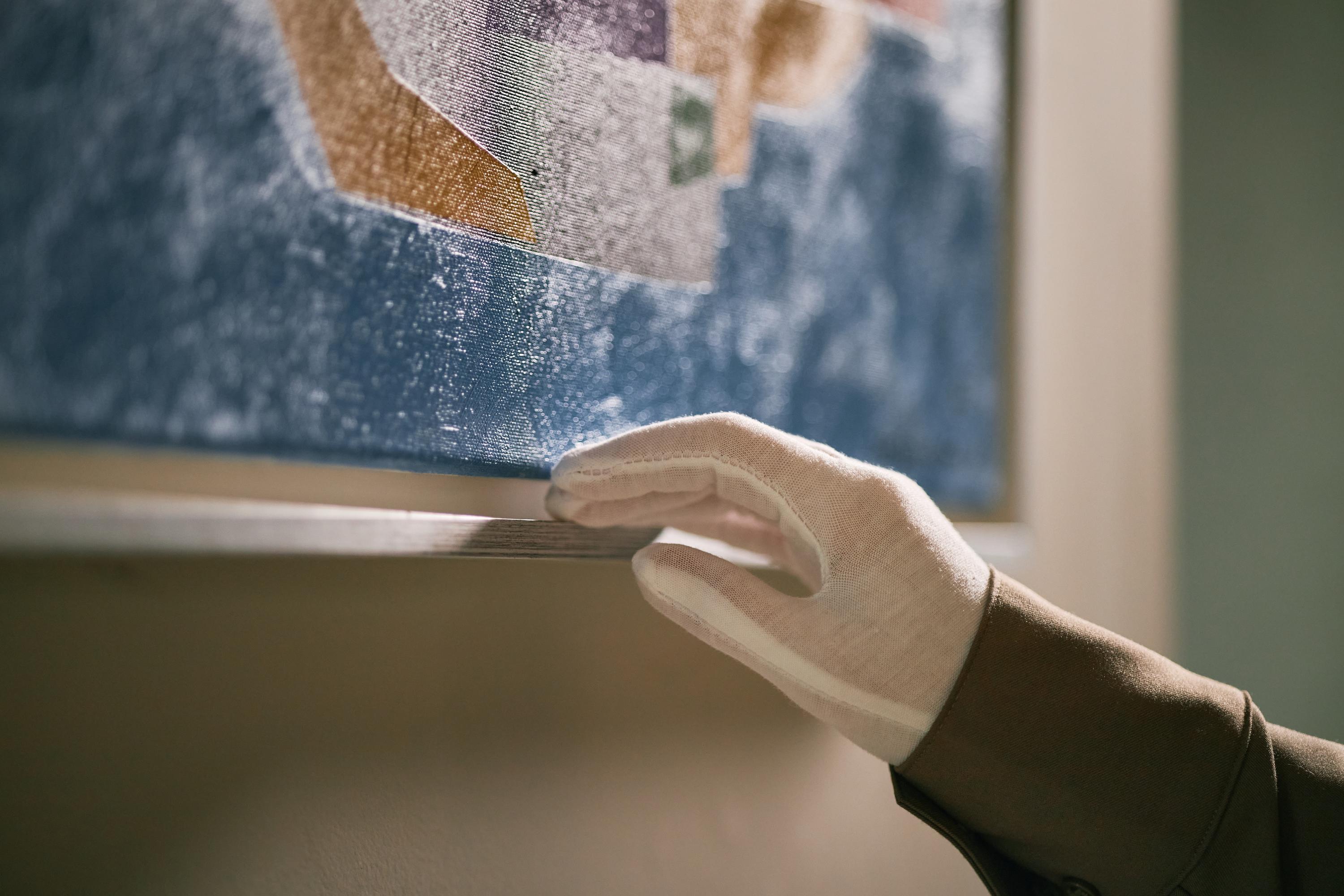
The environment where you display your artwork plays a significant role in its preservation. Thoughtful lighting and environmental control can enhance your collection's lifespan.
Art Lighting Best Practices
Proper lighting not only illuminates your artwork but also protects it. Opt for LED lights, as they emit minimal heat and no UV rays, making them ideal for art displays. Position lights at an angle to minimize glare and avoid shining lights directly onto the artwork. This approach enhances viewing while reducing the risk of heat damage. For a visual guide, check out these art lighting best practices on YouTube.
Humidity Control for Art
Controlling humidity is crucial for art preservation. Fluctuations can cause expansion and contraction, leading to cracks or warping. Aim to keep the humidity between 40-50% to ensure a stable environment. Using a dehumidifier or climate control system can help maintain these levels. Remember, a consistent environment is key to avoiding stress on your artworks.
Ideal Display Locations
Choosing the right location for your artworks involves more than just aesthetics. Avoid placing pieces in direct sunlight or near heat sources like radiators. Instead, select a spot where there is indirect natural light. Hallways, living rooms away from windows, or dedicated art spaces are often ideal. This strategic placement minimizes exposure to harmful elements while still showcasing the art beautifully.
Cleaning and Preservation
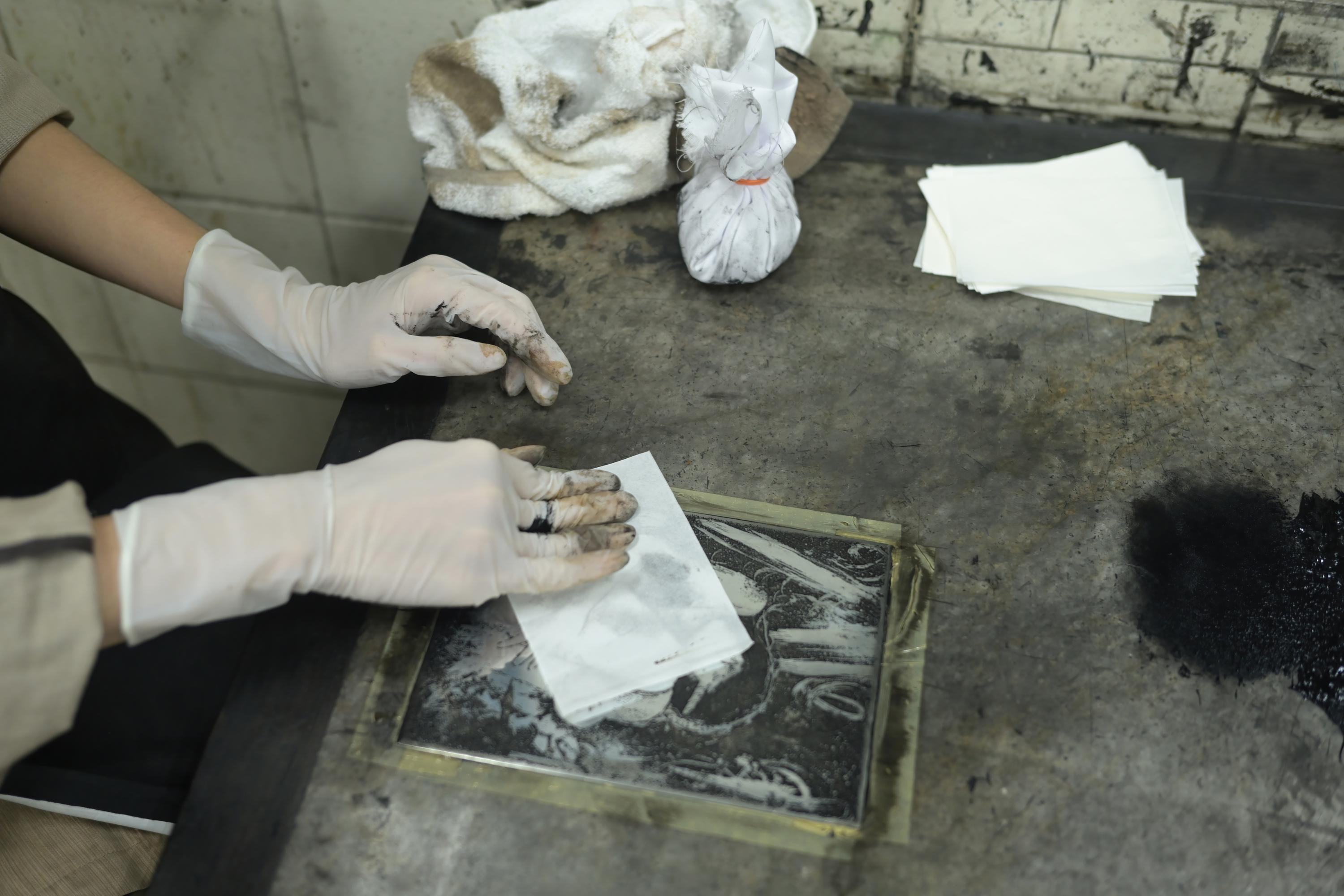
Regular care and mindful handling ensure that your artwork remains in pristine condition. These practices are essential for any collector.
How to Clean Artwork Safely
Cleaning your artwork should be done with care. Dust with a soft, dry cloth to avoid scratches. For more thorough cleaning, consult a professional conservator. Avoid using water or cleaners, as they can damage the surface. Regular gentle cleaning can prevent the buildup of dust and grime, keeping your artwork looking fresh.
Handling Fine Art with Care
Handling art requires a delicate touch. Always wash your hands before handling artwork to prevent oils and dirt transfer. Use both hands to support the piece, and never pick it up by the frame’s top edge. These practices minimize the risk of damage during handling, ensuring your art remains intact.
Storing and Moving Artwork Tips
When storing artwork, keep it in a cool, dry place, ideally wrapped in acid-free materials. If moving, pack each piece securely with bubble wrap and cushioned corners. For framed pieces, use corner protectors and ensure they’re upright during transit. These steps help safeguard your artwork against physical damage and environmental stress during storage and transport. For additional tips, check out this guide on preserving artwork.
Frequently Asked Questions
How do I protect my artwork from sunlight?
Use UV-protective glass or acrylic when framing and avoid direct sunlight. Position art in areas with minimal exposure to natural light.
What is the ideal humidity level for art storage?
Maintain humidity between 40-50% to prevent damage. Use climate control devices to monitor and adjust levels as needed.
How often should I clean my artwork?
Dust your artwork gently every few months. For deeper cleaning, seek professional help to avoid damage.
What materials should I avoid when framing art?
Avoid acidic materials as they can cause deterioration. Opt for acid-free mats and backing boards to preserve your artwork.
How can I safely move my art collection?
Wrap artwork in protective materials and use corner protectors for frames. Ensure pieces are upright and secure during transit, and handle them with care.
https://michaelmaltastudio.com