

Timeless Over Trend: Commissioning a Portrait That Becomes a Family Legacy
A commissioned portrait often faces a choice: follow fleeting trends or capture something forever meaningful. When you choose a timeless portrait, you invest in heirloom-quality artwork that tells your unique story with classic composition, subtle palette, and masterful lighting. At Michael Malta Studio, every brushstroke is crafted to create art that becomes part of your family legacy—ready to enrich your home and inspire generations. Let’s explore what makes these portraits truly lasting treasures. Learn more about what makes a portrait timeless.
Crafting a Timeless Portrait
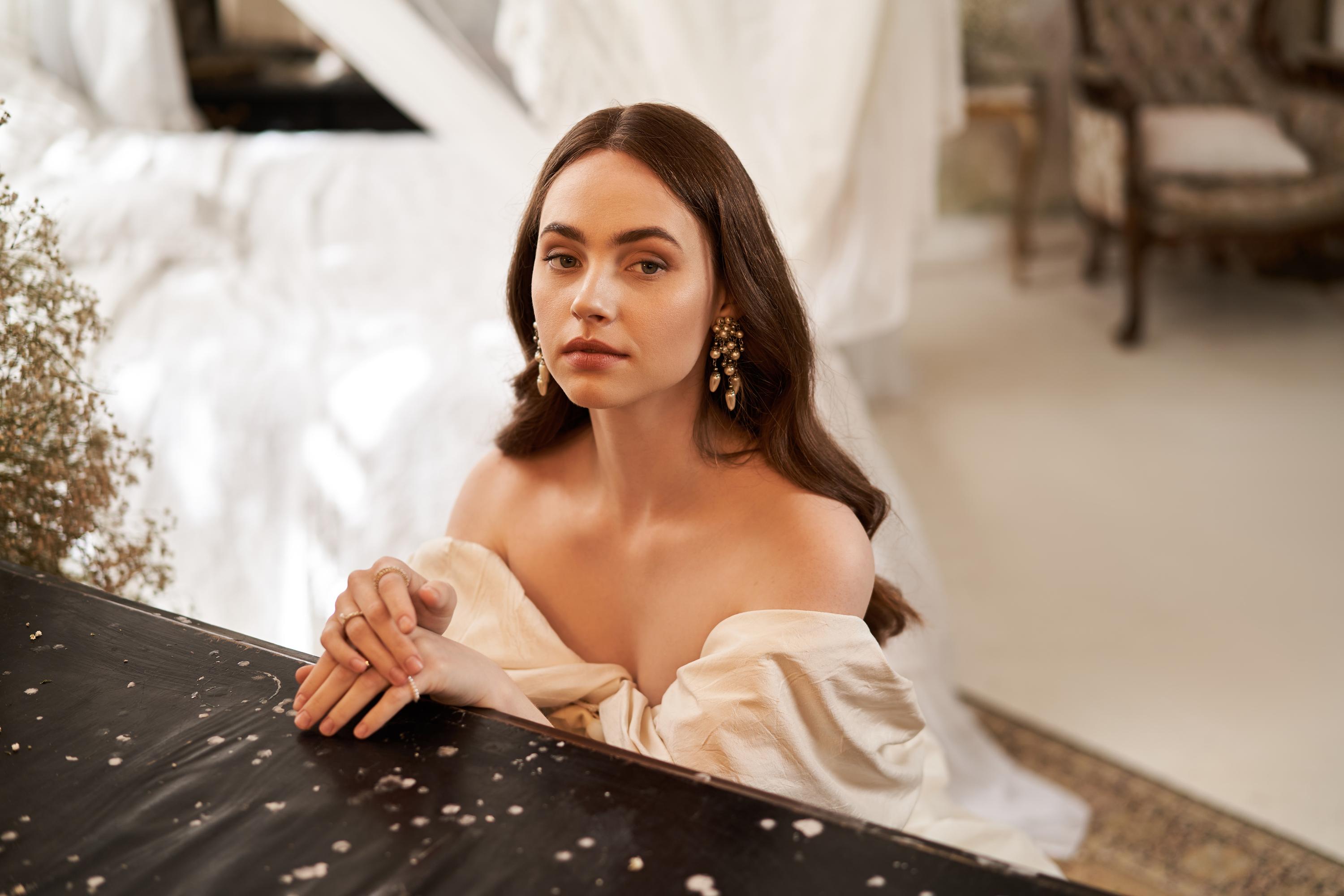
Creating a portrait that stands the test of time involves more than just skill. It requires an understanding of classic techniques that defy changing trends.
Classic Composition Techniques
The foundation of a timeless portrait is its composition. Classic techniques, like the rule of thirds, create balance. This guides your eye naturally to the subject. Such methods have been used by masters for centuries, proving their lasting appeal.
Choosing the right composition means considering the subject's pose and environment. A subtle tilt of the head or a gentle background can transform a piece. It's about capturing the essence without getting lost in unnecessary details. This simplicity appeals to those seeking a portrait that doesn't date with time.
Realism in Fine Art Portraiture
Realism is an art form that requires patience and precision. It’s about capturing the subject in a way that feels lifelike. This approach involves detailed brushwork and a keen eye for detail. It’s not just about looking real; it’s about feeling real.
In realism, every line and shadow matters. The artist aims to reveal the subject's personality. This depth creates an emotional connection that words cannot. Realism in a portrait ensures it resonates on a personal level, making it a cherished part of your home.
Neutral Palette and Lighting Choices
Color choice dramatically influences the timeless quality of a portrait. Neutral palettes offer subtlety and sophistication. Soft colors ensure the portrait complements any room, regardless of future changes in decor.
Lighting, too, plays a crucial role. It highlights the subject’s features without overpowering. Gentle shadows and highlights can add depth and dimension. This balance ensures the portrait remains warm and inviting, a piece you'll appreciate daily.
Materials and Methods for Heirloom Quality
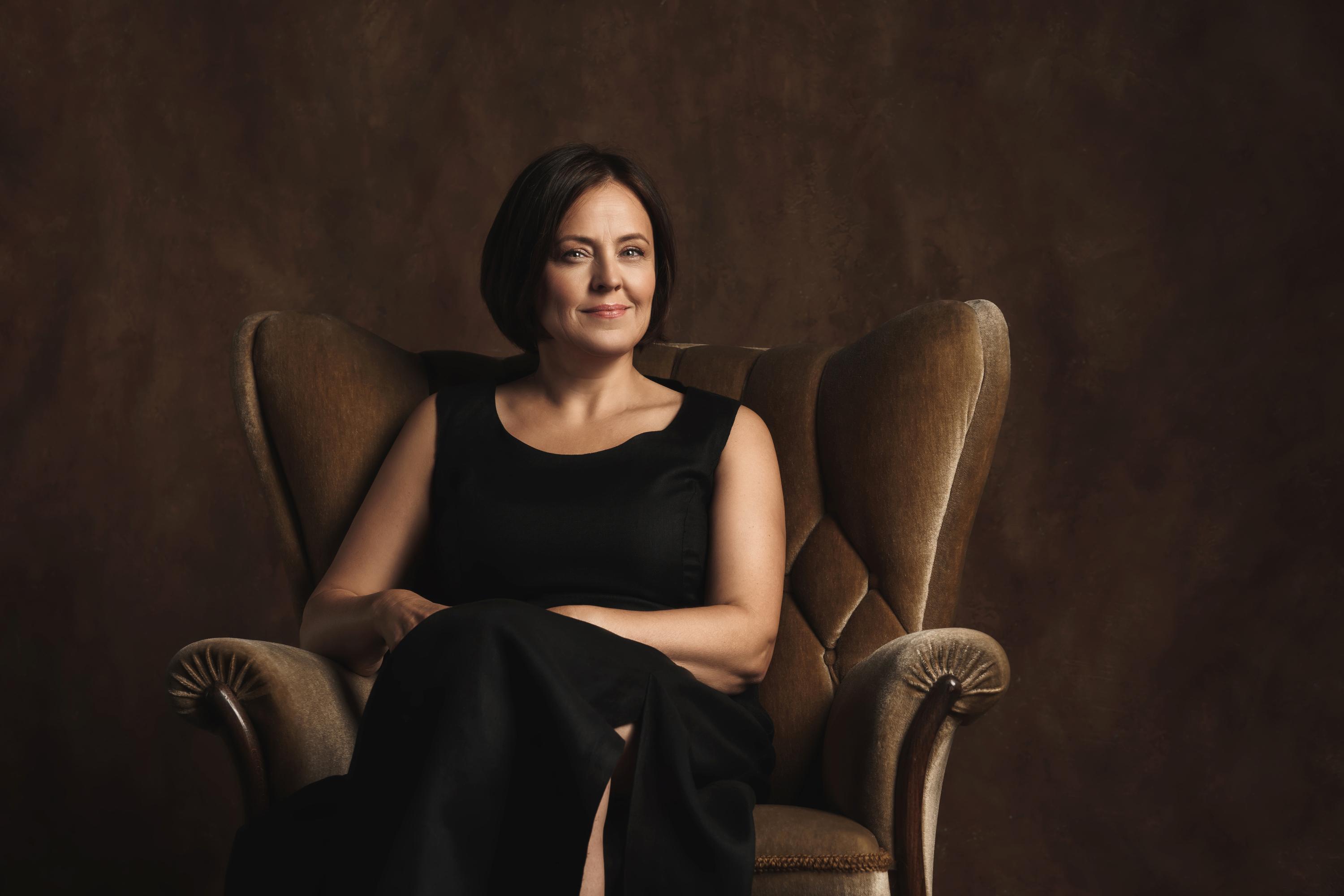
To achieve a portrait that lasts generations, the materials and techniques used must be of the highest standard.
Importance of Archival Materials
Archival materials are vital for preserving art. These are high-quality resources designed to resist aging and decay. Using such materials guarantees that the colors and textures remain vibrant over time.
When choosing materials, artists consider their longevity. Acid-free paper, oil paints with natural pigments, and varnishes that protect against UV light are essential. These elements ensure your portrait remains as beautiful as the day it was completed.
Traditional Craftsmanship in Portraiture
Traditional craftsmanship involves techniques passed down through generations. It’s about understanding and honoring the methods of those who came before. This respect for tradition adds a layer of authenticity to each piece.
Craftsmanship is evident in every brushstroke and detail. It speaks to the artist's dedication and mastery of their craft. Such attention to detail is what transforms a portrait into a family heirloom, treasured for years to come.
Museum-Quality Giclée Printing Services
For those who wish to share their portrait beyond the original, museum-quality giclée printing offers a solution. This method produces fine art prints that replicate the original's vibrancy and detail.
Giclée prints use high-resolution digital files and archival inks on premium paper. This process ensures the prints maintain the integrity of the original artwork. It's a way to enjoy and protect your investment in art, offering versatility in how you display it.
The Story Behind the Portrait
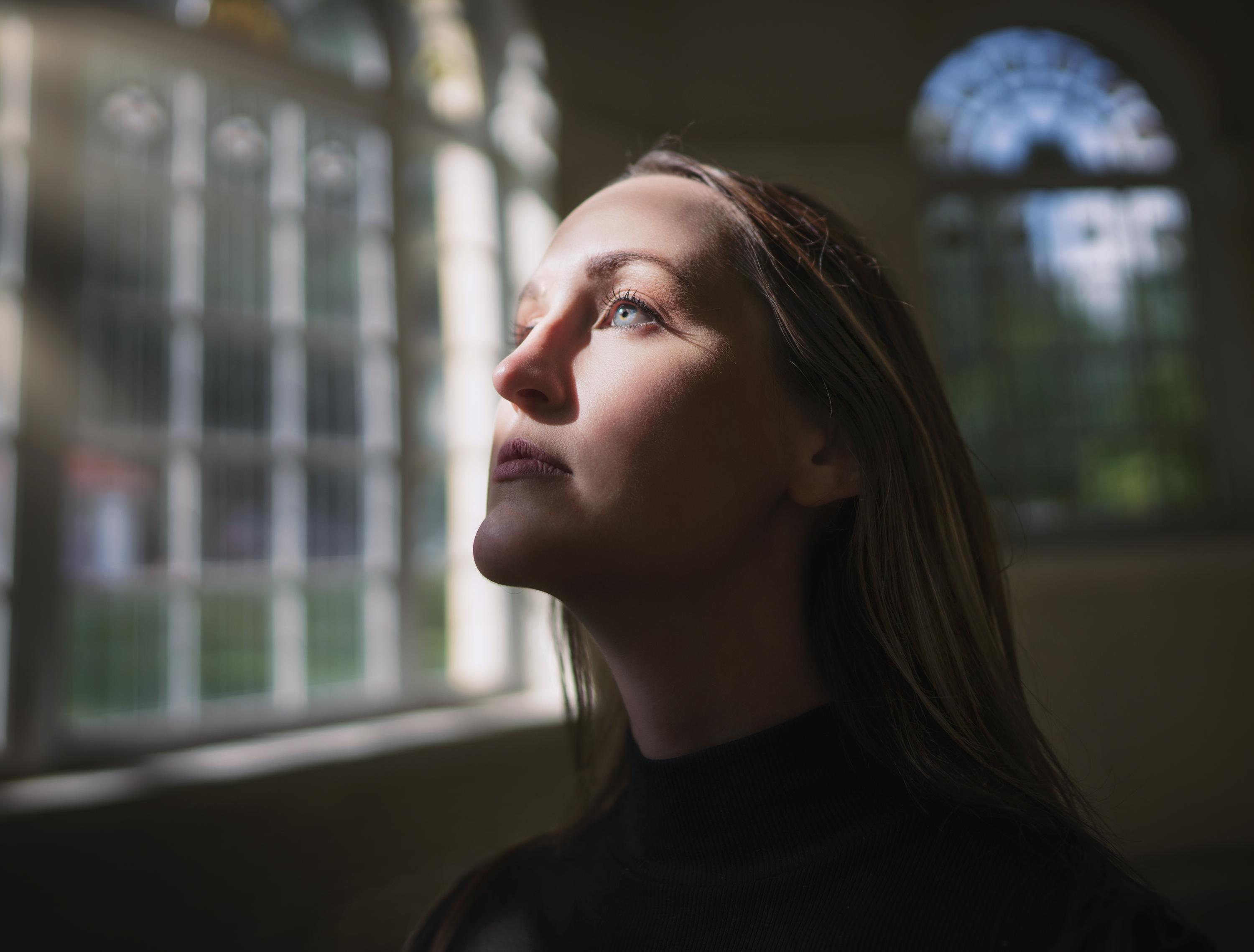
Every portrait tells a story. It’s the narrative within that gives it meaning and makes it more than just an image.
Art That Tells a Story
A portrait is a visual narrative. It captures moments, emotions, and connections. Each piece holds a personal story, unique to the subject and the artist's interpretation.
This storytelling aspect is what transforms a portrait from a simple image to a legacy piece. By choosing a subject and setting that reflects your personal journey, the artwork becomes a part of your story.
Custom Portrait Process Explained
Commissioning a portrait is a collaborative process. It starts with a conversation about your vision and expectations. The artist then translates this into sketches and ideas.
Once the concept is approved, the creative process begins. The artist works meticulously, ensuring every detail aligns with the agreed vision. This collaboration results in a piece that truly reflects the intended narrative.
Presentation and Framing Options
The final step in creating a lasting portrait is its presentation. Selecting the right frame enhances the artwork while providing protection. Frames should complement the portrait, not overpower it.
Options range from classic wood to modern metal, each offering a different aesthetic. The right choice ensures the portrait becomes a harmonious part of your home, preserving its beauty and significance for years to come.
Frequently Asked Questions
What makes a portrait timeless?
A timeless portrait combines classic composition, realism, and a neutral palette. These elements ensure it remains relevant and appealing across generations, avoiding fleeting trends.
Why are archival materials important?
Archival materials prevent deterioration over time. They maintain the artwork's vibrancy and integrity, ensuring it remains a treasured heirloom for future generations.
How does the giclée printing process work?
Giclée printing uses high-resolution digital files and archival inks on premium paper. This method replicates the original artwork's detail and vibrancy, offering a quality alternative for displaying or gifting art.
What is involved in the custom portrait process?
The process begins with a consultation to understand your vision. This is followed by sketches and revisions before the artist creates the final piece. It's a collaborative effort to ensure the artwork meets your expectations.
How should I choose a frame for my portrait?
Frames should enhance the artwork without overshadowing it. Consider the material and style that best suits your portrait and home decor. A well-chosen frame adds to the portrait's longevity and presentation.
https://michaelmaltastudio.com